
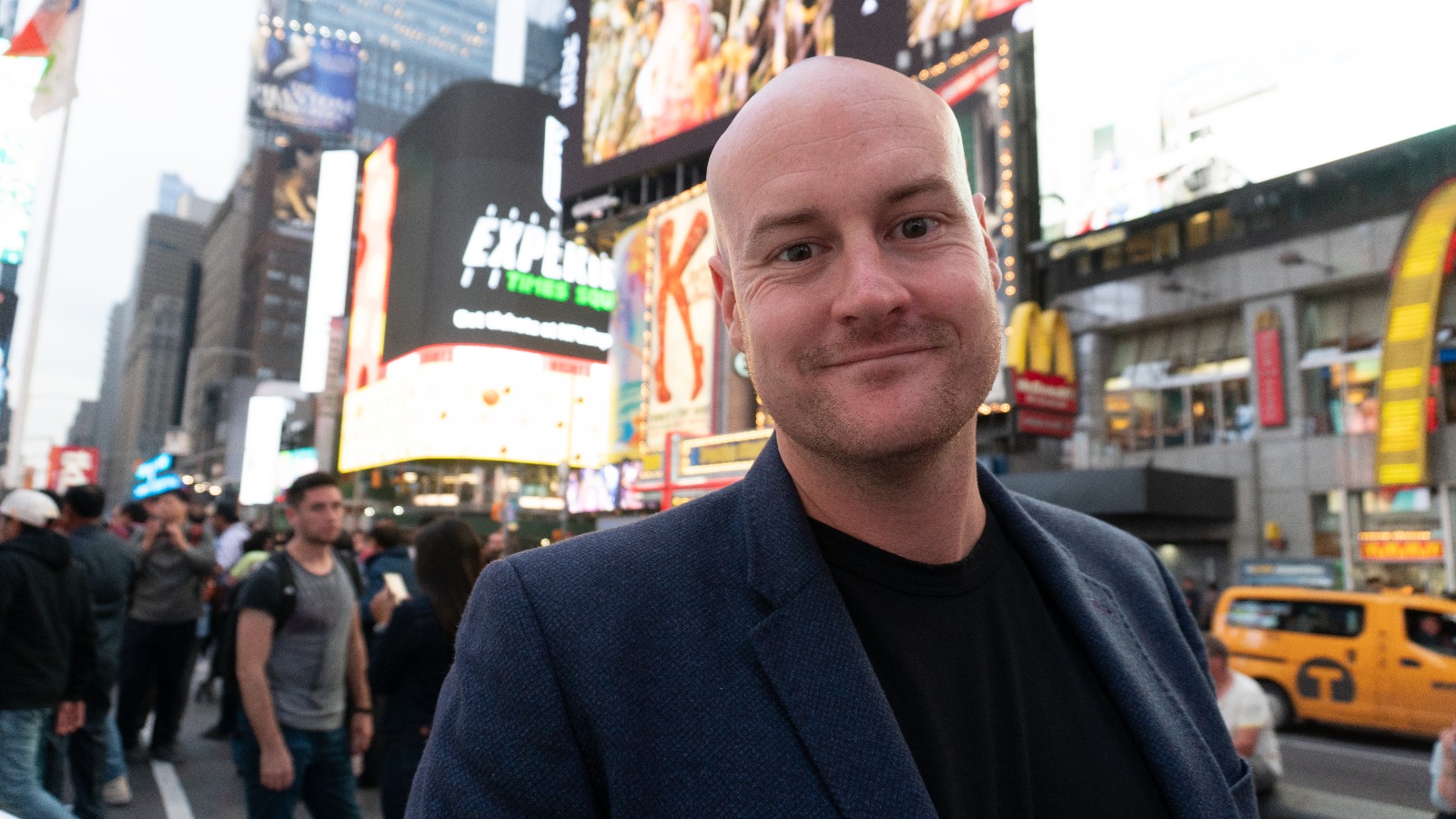
Turning a Trader’s Instinct into technology.
I’ve traded trending markets for 21 years. For most of that time, the hardest part of the job wasn’t making decisions. It was finding the few charts that were worth making a decision on.
Most people outside trading don’t see this part. A trend-following trader spends most of the day looking, not trading. You flip through charts and timeframes, checking the same markets again and again, waiting for a structure that fits your rules. Across crypto, forex, and US equities, that means more than a thousand charts, several times a day. No human can do that well for long. Something has to give, and for me it was markets. For years I dropped forex and US equities because I didn’t have the hours to watch them properly.
About 18 months ago, I started using AI to help me build software that does that looking for me. The tool I ended up with is called MarketIntern. It’s why I trade forex and US equities again. But what I learned building it is probably more useful than the tool itself, because it goes against what most people believe about AI.
AI will not do the work for you.
People are being sold the idea that AI does the work: describe what you want, and the machine produces a finished, working result. In trading, that belief is expensive.
AI didn’t do my work. It took some of the weight off me, which is a different thing. The judgement, the rules and the strategy were already mine, built over two decades of wins, losses and lessons that cost real money. The AI helped me turn that into code. It never supplied the knowledge, and it couldn’t have.
Everything else I have to say comes back to that.
What can be turned into rules.
When you try to teach a machine what you do, you find out quickly how much of your skill you’ve never actually put into words.
I thought I knew my strategy exactly, and I did in the sense that I could trade it. Then I had to define it precisely enough for code, and every word I’d been using loosely fell apart.
What counts as a swing high? How far past a level does price have to go before it has broken it? Does the wick count, or only where the candle closes? If two highs are exactly equal, is that a break? (It isn’t. An equal high is not a break, and the code has to know that.) What counts as a pullback, and over how many bars?
After 21 years, my eye answered these questions in a split second. A computer needs each one written down. Building the scanner meant going through my own method one question at a time and writing down answers I’d never had to put into words.
The parts that could be turned into rules were the structural ones:
- the trend’s direction and health
- the pullback
- where the entry candle sits relative to the moving averages
- whether the setup holds across more than one timeframe
These things are objective. They can be measured, and a machine checks them tirelessly and consistently, every 15 minutes, without getting bored or tired.
That’s the real value. It’s not that the machine is smarter than me. It’s that it doesn’t get tired.
What still requires human judgement.
This part surprised me.
Once the structural rules worked, I wanted to go further. I had watched thousands of setups, and I can usually tell at a glance which ones are good, and which just meet the requirements. So, I tried to turn that into rules too. I labelled live setups as good or poor and tested measure after measure to see whether any of them captured the difference.
None held up. Each idea looked promising and then fell apart on the next batch of real charts.
There’s a lesson in that. Some of what an experienced trader knows can be written down, and some can’t yet, or maybe ever. The scanner can tell me a chart meets my rules. It can’t tell me whether this particular setup, in this market, this week, deserves my money. That’s still my job.
When the scanner disagrees with what I see on the chart, I’ve learned to assume the scanner is wrong and go and find out why. Sometimes the answer is a rule that needs tightening. Sometimes it’s a case the rules never anticipated. Either way, the human is the reference point, and the code gets checked against the human, not the other way round.
Where the line should sit.
People keep asking me where assisting a trader ends and deciding for them begins. For me the line is simple, and I built it into the software on purpose.
The machine looks. The human decides.
My scanner doesn’t place trades or manage positions. It doesn’t alert me or push setups at me either. I open it when I choose to, and the setups that met my rules are there waiting. Then I decide whether to take each one or skip it.
That last design choice was deliberate. Alerts make you react. When your phone buzzes with a trade, you already feel pressure to act. I wanted the opposite: calm, deliberate decisions made on my schedule by the person who carries the risk. Automation should protect your judgement, not rush it.
AI in the hands of a novice.
This is the part people don’t want to hear.
AI worked for me because I already knew exactly what I wanted from the market. I had fixed rules and a strict strategy. I knew which questions to ask, and when the AI gave me an answer that looked right but wasn’t, I could tell.
A novice doesn’t have that, and it’s not their fault. You don’t know what you don’t know. If you sit down with an AI to “build a trading strategy” without experience behind you, you’ll ask the wrong questions. When it replies, you’ll probably agree, because it sounds confident and reasonable, and you have nothing to test it against. Then you’ll steer it further in the wrong direction.
AI is very good at telling you what you want to hear. It can’t give you the market experience you don’t have. In markets, that combination leads almost every time to a project that eats your time and loses your money, however sophisticated it looks along the way.
Experience makes AI a powerful tool. Without experience, it just speeds up your mistakes.
What it gave back.
The best thing automation gave me wasn’t a better strategy. My strategy is the same one I’ve traded for years. It gave me time.
The hours I used to spend flicking through charts, I now spend on the few setups worth my attention. I can trade forex and US equities again because I no longer need to be the one checking more than a thousand charts several times a day.
That, I think, is the honest promise of this technology. It won’t turn a beginner into an expert or trade for you, and it won’t know things you don’t. What it can do is take tireless, repetitive work off someone who already knows what they’re doing, so they can spend more time on the decisions only they can make.
The trader is still in charge. Good technology is built so that it stays that way.
About the Author.
Craig Cobb has traded trending markets for 21 years. He teaches his approach through The Grow Me Co (thegrowmeco.com) and built MarketIntern (marketintern.com), a market scanner that applies his rules across crypto, forex, and US equities.